Jet Cooling · Solves shrinkage porosity
Shrinkage porosity starts in the die's hot spots: thin sections and core pins that ordinary line cooling can't reach. Our jet cooling machines drive high-velocity coolant exactly there, so the casting solidifies sound.
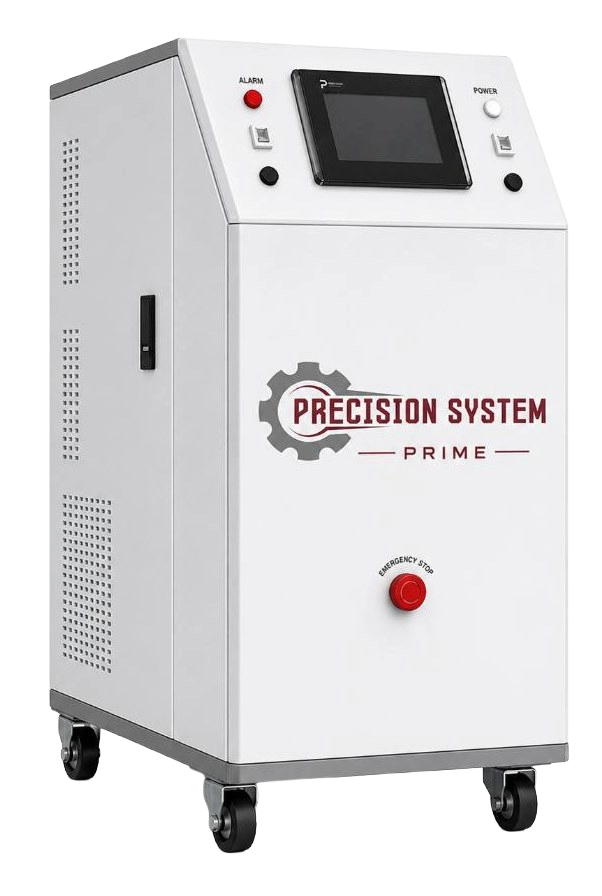
The entry point to jet cooling: efficient, reliable die cooling for small to medium die casting setups — without the complexity.
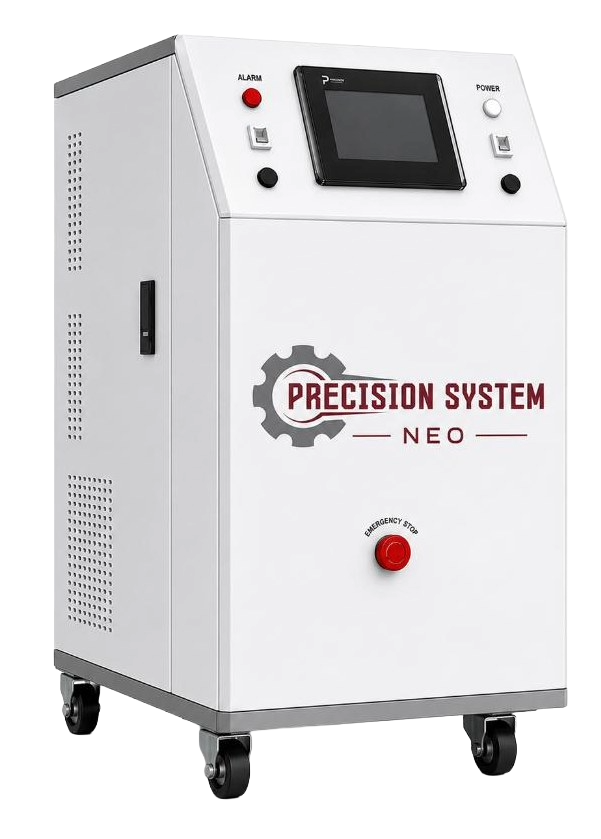
Proven and reliable jet cooling technology for high performance and consistent casting quality. Casters trust this plug & play machine for its optimal cost-performance.
How it works
Cooling water is driven through a manifold to jet coolers seated in the die's hottest sections. Hot water returns to the tower; an air purge clears the lines between shots.
What changes when you jet cool
Less shrinkage porosity means fewer pressure-leak failures, less scrap, and less drilling & finishing to rescue borderline parts.
Handled hot spots mean less soldering and erosion on core pins, longer die part life, and less mold maintenance downtime.
Sound thin-section castings open the door to critical, higher-margin parts — and position you as a technology-led caster.
Typical applications
Anywhere thick-to-thin transitions and core pins create hot spots — across IC, EV and structural castings.
Why cooling discipline is also a safety issue
Water that reaches molten aluminium (~660 °C) flashes to steam and expands violently — industry safety literature treats water-in-melt as an explosion hazard. A broken core pin can inject pressurised cooling water straight into solidifying metal. That's why our machines purge lines with air between shots, and why cooling equipment should always be engineered, not improvised.
Common questions
Yes. The machine only needs a potential-free shot signal from your DCM. Once it receives the signal, it runs the cooling recipe you've set for that mold — independent of the machine's make or age.
Usually, yes. Converting means modifying core pins and selecting the right jet coolers for your hot zones. Share your mold drawings and our engineers will walk you through what's needed.
These are plug & play machines: mechanical connection to machine and mold is a same-day job for any plant engineer, and the interface is built for operators, not programmers.
Related
Let’s cut your scrap rate
Send whatever you have — a drawing, a photo, a rejection report. An engineer, not a sales script, will come back to you with what we'd actually do.